Blog / Flooring
1867 Floors Review (2026)
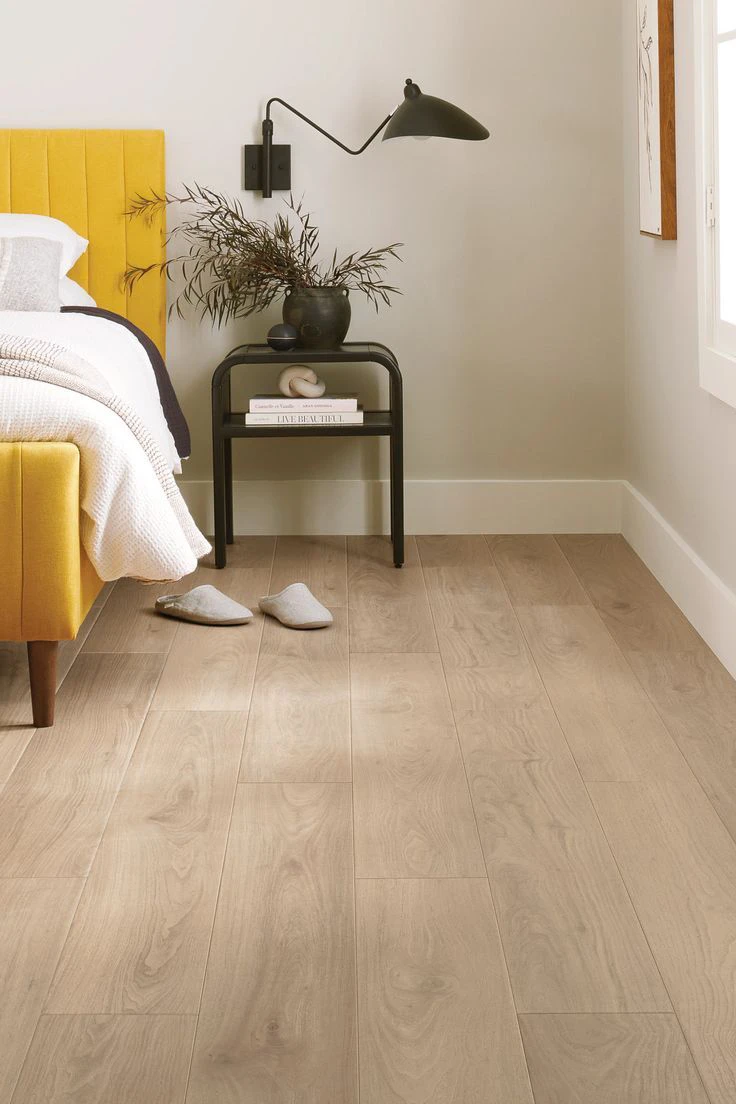
An installer’s look at 1867 Floors: 193 floors spanning porcelain tile, Evolution vinyl, laminate, narrow solid hardwood and engineered birch.
Quick answer
- Where the numbers come from
- The range side by side
- The Evolution vinyl is the floor for slabs and condos
- The wood is narrow, traditional and mostly birch and maple
- Tile is the largest part of the range
- What to check before you buy
- What it costs installed
- Buying 1867 Floors flooring in Toronto
- Every 1867 Floors floor we carry
- Frequently asked questions
Where the numbers come from
Every figure below comes from the spec sheets of the 193 floors from 1867 Floors on our site as of November 2026. Where a sheet does not state something, we say so rather than fill the gap. We have not run our own wear tests and we do not give star ratings.
The range side by side
The Evolution vinyl is the floor for slabs and condos
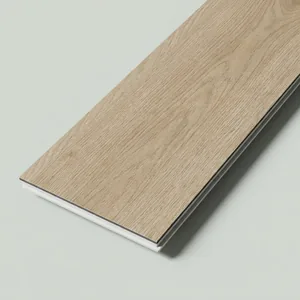
All 62 vinyl floors sit in the Evolution family: Magma, Magma XL, Magma Pro, Azura, Purflex, Rise, Rise +, Apogee and Origin. The installation methods vary more than in most vinyl ranges: glueless click locking on 18 sheets, a 5G click system on 7, Drop Lock on 6, loose lay on 6, Dry-Back glue-down on 6 and floating on 5.
For a Toronto basement on a concrete slab this is the part of the range to look at first. Vinyl does not swell when the slab sweats in August, and the sheets that state a water rating mostly say 100% waterproof. Dry-Back glue-down suits rooms with heavy furniture or rolling chairs, and loose lay lets you lift a single plank later.
For condos, an attached 1 mm underlay is listed on 16 sheets, and the Pinacle sheet in Evolution Apogee lists a 2 mm attached underlay with an IIC 76 impact rating. Your condo board sets its own sound rule, so take the sheet to them before you order.
The wood is narrow, traditional and mostly birch and maple
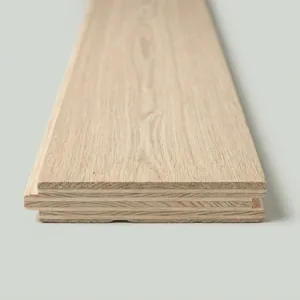
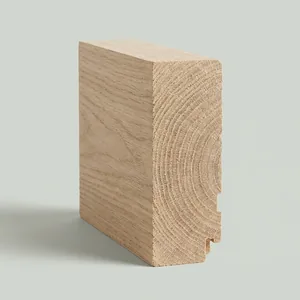
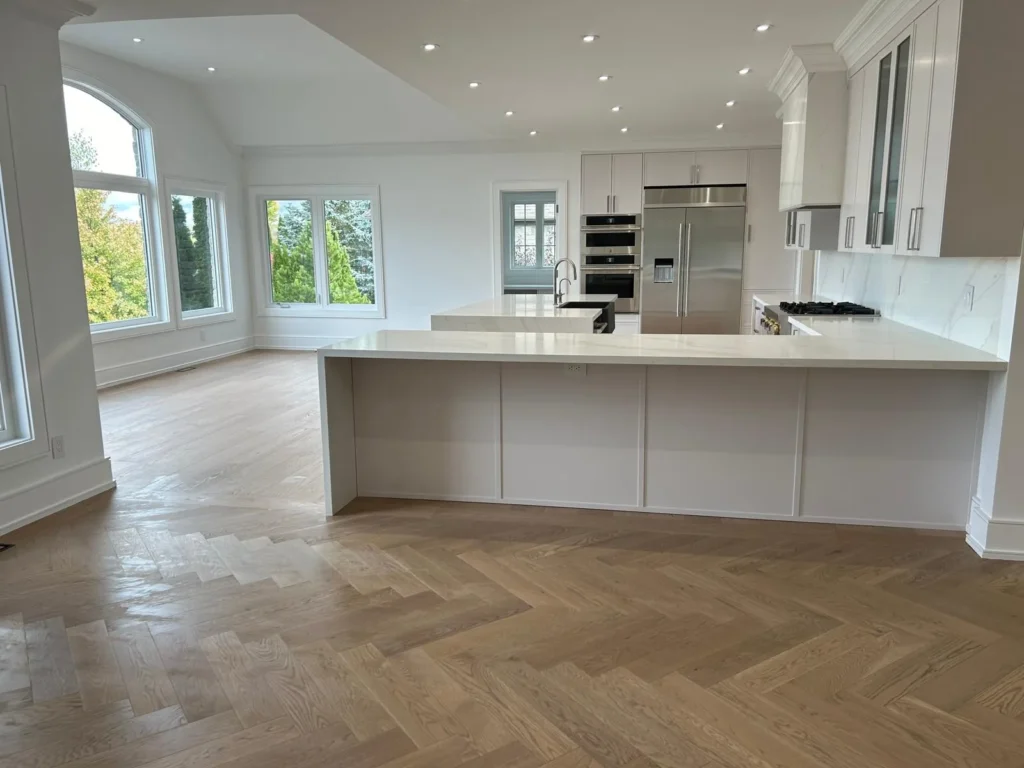
The 13 solid floors in 1867 per MITIS are 19 mm (3/4″) boards in random lengths, 83 mm (3 1/4″) wide on 8 sheets and 108 mm (4 1/4″) on 5. Species stated are maple on 4, oak and ash on 2 each, and birch on 1. Finishes are Satin NANO 20% on 8 and Matt NANO 10% on 4. This is classic narrow strip, the kind that suits older Toronto houses with wood subfloors and stairs to match.
Solid hardwood is nailed to a wood subfloor, so it is not the floor for a basement slab or most condo concrete. Narrow boards move less each than wide ones through our dry winters and humid summers, and a full-thickness board can be sanded and refinished many times.
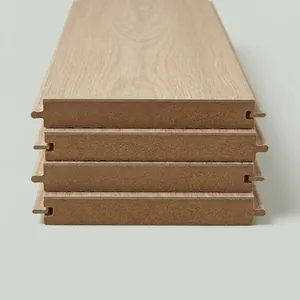
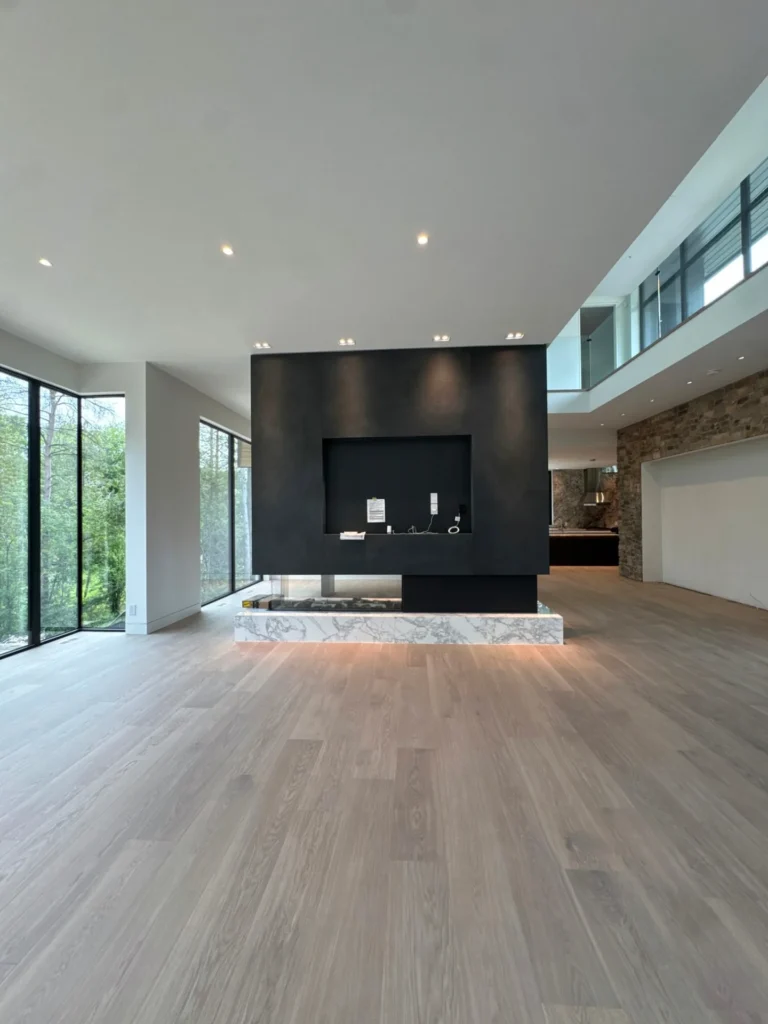
The 10 engineered floors are all birch, with a 2 mm (1/16″) top veneer on 12.7 mm (1/2″) boards and a Välinge 2G click lock. Baulon is 125 mm (4 7/8″) wide and Vloc 90 mm (3 1/2″). A click engineered floor floats, so it can go where solid cannot, though a thin veneer allows little or no sanding later.
Tile is the largest part of the range
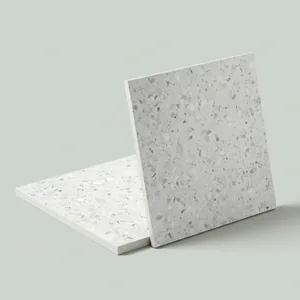
86 of the 193 floor pages are tiles: glazed porcelain in FORM WORK, FORM NATURALE, Form Lappato, PüRE, E-STONE and UTAH HD, and mosaic sheets in M7 Mosaics. Of the 34 tile sheets that state an origin, 13 say Italy, 10 say China and 4 say Spain.
The most common size is 12×24, on 11 sheets. Long porcelain needs a flat floor; older Toronto subfloors and basement slabs often need levelling first, or the tile edges will not sit even. Thickness is mostly 3/8″ (9 mm) or 3/8″ (10 mm), and with mortar under it the floor rises, so check doorway clearances and the transition to wood in the next room.
The sheets we hold for FORM WORK, FORM NATURALE and UTAH HD list PEI IV and an R10 slip rating, which suits kitchens, entries and bathrooms. Finishes are matt on 8 sheets and polished on 3; a polished tile is more slippery when wet, so keep it away from the front door.
What to check before you buy
Which Evolution series. Wear layer, underlay and installation method change from one Evolution series to the next, so read the sheet for the exact floor, not the family.
Your subfloor type. Solid 1867 per MITIS needs a wood subfloor, so on a slab or condo concrete look at the vinyl, laminate or click engineered birch instead.
Tile shade variation. Sheets rate variation from V2 to V3, so look at several tiles from the actual box, not one sample, before committing a large floor.
What it costs installed
Click vinyl and laminate are from $3.20 per square foot, glue-down vinyl from $5.50 including glue, engineered hardwood from $4.90 nailed or glued, including glue and nails, or $3.20 floating, solid hardwood from $4.50, and tile from $13.50, with thinset, grout and levelling clips on top. This is installation only; the floor itself, disposal, trim and levelling are priced on top, and the full list is on our flooring installation cost page. For how we install it, see our page on tile installation.
Browse 1867 Floors in our shop: tile, vinyl, laminate, solid hardwood and engineered hardwood. Send us your square footage for a free quote.
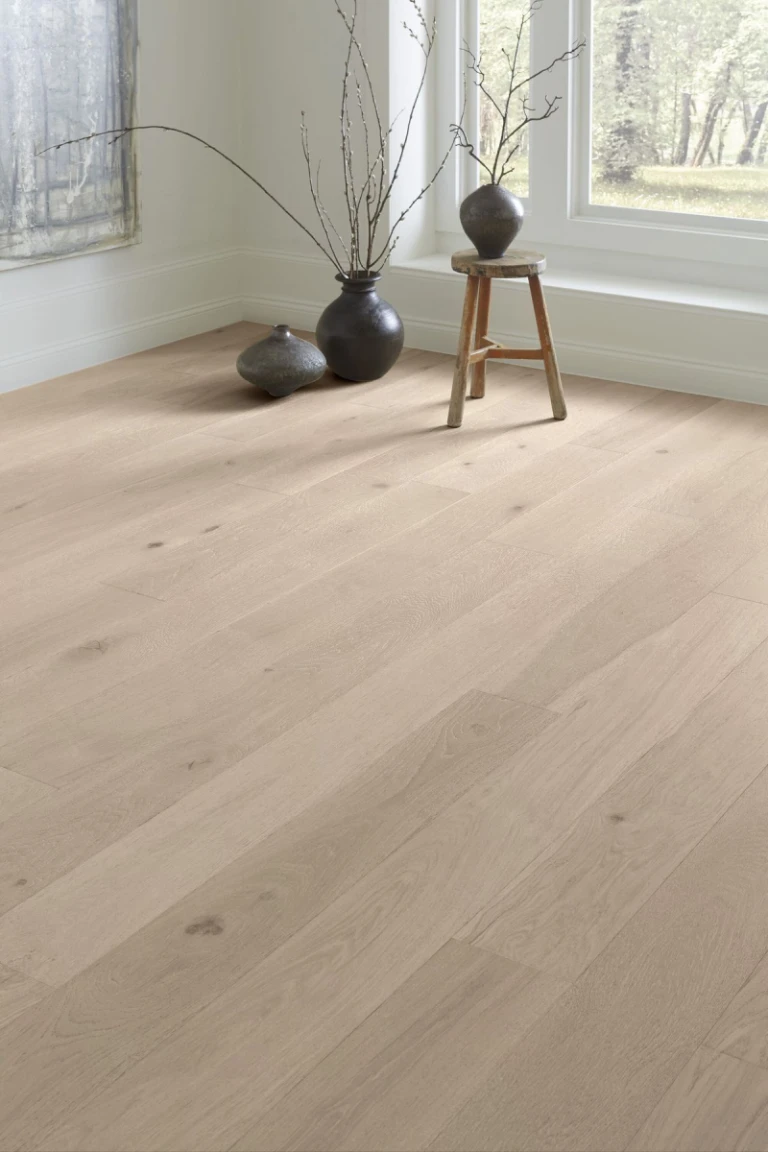
Typical of the range: Pinacle Evolution Apogee, Matapedia 1867 per MITIS and Anthracite FORM WORK.
Doing the stairs at the same time? See our staircase renovation in Toronto, about $7,000 a flight.
Buying 1867 Floors flooring in Toronto
We carry 1867 Floors in tile, vinyl, laminate and solid and engineered hardwood and install it across Toronto and the GTA. Our installers travel as far as Wasaga Beach, Niagara Falls and Castleton. Send your square footage for a free written quote, or book the free in-home measure and we will bring samples.
Every 1867 Floors floor we carry
All 193 1867 Floors floors on our site, by collection. Open a floor type, then tap a collection to see it as a group or a colour to open that floor.
Engineered hardwood 10 floors
Solid hardwood 13 floors
Vinyl 62 floors
Laminate 22 floors
Tile 86 floors
Frequently asked questions
Is 1867 Floors vinyl waterproof?
Of the vinyl sheets that state a water rating, most say 100% waterproof and one says water resistant. The Pinacle sheet in Evolution Apogee, for example, describes a 9 mm SPC build that is 100% waterproof. The laminate is different: 5 laminate sheets state a water-resistant surface (24h), which is not the same as waterproof.
Can 1867 Floors go over in-floor heating?
Some sheets say so directly. The Pinacle vinyl is rated for radiant heat up to 85°F, and the Mackenzie laminate in Authentic Nature can go over heated floors. Porcelain tile is generally the best partner for in-floor heat. Check the sheet for your exact floor before you order.
Is 1867 Floors vinyl suitable for a Toronto condo?
Many of the Evolution floors are built for it. An attached 1 mm underlay is listed on 16 vinyl sheets, and Pinacle lists a 2 mm attached underlay with an IIC 76 impact rating. Your condo board sets the sound requirement, so confirm it with them first.
What wood species does 1867 Floors use?
The solid 1867 per MITIS floors that state a species are maple on 4, oak on 2, ash on 2 and birch on 1. All 10 engineered floors in Baulon and Vloc are birch with a 2 mm (1/16″) top veneer. There is no wide-plank oak in the wood we hold from this brand.
Where is 1867 Floors tile made?
Of the 34 tile sheets that state an origin, 13 say Italy, 10 say China and 4 say Spain, with 3 more marked Made in Spain. The FORM WORK, FORM NATURALE and UTAH HD tiles we hold are Italian. The PüRE sheet we hold says imported from China.
Keep reading